Cleaning Guns with WD40 – Complete Cleaning Guide

Maintaining firearms is essential for their longevity and optimal performance. Among the various methods and products available, WD40 stands out as a versatile option for cleaning and protecting guns.

In this comprehensive guide, we’ll take a look at the process of cleaning guns with WD40, addressing its effectiveness, application techniques, and the protection it offers against rust. Whether you’re a seasoned gun owner or new to firearm care, this guide will provide valuable insights to keep your rifles, shotguns, or home defense guns in top condition.

Firearm Maintenance: Ensuring Longevity and Performance

Firearm upkeep is not just a chore; it’s a responsibility for every gun owner. Regular upkeep ensures that your firearms operate smoothly and safely, reducing the risk of malfunctions and accidents. Neglecting maintenance can lead to issues such as rust buildup, fouling in the barrel, and decreased accuracy. By incorporating cleaning routines into your firearm care routine, you preserve their value and reliability over time.

Cleaning Guns with WD40 – A Comprehensive Approach

Using WD40 for gun cleaning offers several advantages. Not only does it effectively remove dirt, residue, and fouling, but it also provides a protective barrier against moisture and corrosion. Here’s a step-by-step guide on how to clean your gun with WD40:

Disassembly and Inspection

Before cleaning your firearm, ensure it is unloaded and follow the manufacturer’s guidelines for disassembly. Inspect each component for signs of wear, damage, or buildup. Pay particular attention to the bore, chamber, and critical moving parts.

Removing Surface Contaminants

Apply WD40 liberally to a clean cloth or brush and gently wipe down the exterior surfaces of the firearm. This helps loosen and dissolve dirt, grease, and other contaminants. For stubborn deposits, use a soft-bristled brush or gun bore cleaning brushes to reach tight spaces.

Cleaning the Bore

Scrub the inside of the barrel in a back-and-forth motion by using a bore brush dipped in WD40. Ensure thorough coverage along the entire length of the bore to dislodge fouling and residue. Follow up with a patch soaked in WD40 to remove any remaining debris until the patch comes out clean.

Why WD-40 Excels in Gun Maintenance?

WD-40 offers multiple benefits for gun cleaning. Here are a few:

  • It cleans, lubricates, and protects firearms against rust and corrosion.
  • The versatile formula penetrates deeply into metal surfaces, effectively dissolving grime and residue.
  • It leaves a protective layer that repels moisture, preventing rust even in humid conditions.
  • It is easy to apply and widely available, making it convenient for gun owners.
  • It streamlines maintenance routines, providing comprehensive care for firearms.
  • With WD-40, gun owners get a reliable solution for keeping their firearms in optimal condition for extended periods.
  • It’s versatility extends beyond gun cleaning, making it a useful household tool for various applications.
  • It can be used to loosen stuck parts, lubricate hinges, and protect metal surfaces from corrosion.
  • The convenience of WD-40 in a single product saves time and effort compared to using multiple cleaners and lubricants.
  • Its reputation for effectiveness and reliability has made WD-40 a trusted choice among gun enthusiasts and maintenance professionals alike.

Lubrication and Protection

When you done cleaning it is important to apply a light coat of WD40 to all metal surfaces, including the bore, to prevent corrosion and protect against moisture. Use a clean cloth or applicator to ensure even coverage, and wipe off any excess oil. Pay attention to areas prone to rust, such as the muzzle and chamber.

Importance of Regular Gun Cleaning

Regular gun cleaning is vital to firearm ownership, regardless of whether you use your guns frequently or keep them stored for long periods. Neglecting gun or rifle maintenance can lead to a host of problems, including rust, corrosion, and decreased performance. By including a cleaning routine into your firearm care routine, you ensure reliability, longevity, and optimal functionality.

Addressing Common Concerns

Is using WD40 suitable for cleaning guns?

Yes, WD40 is suitable for cleaning guns as it effectively removes dirt, residue, and fouling while providing a protective barrier against rust and corrosion. However, it’s essential to use it in conjunction with proper cleaning techniques and tools for optimal results.

How do I clean my gun with WD40?

To clean your gun with WD40, start by disassembling the firearm and inspecting each component for buildup or damage. Apply WD40 to a clean cloth or brush and wipe down the exterior surfaces, focusing on areas with dirt or grease buildup. Use a bore brush dipped in WD40 to scrub the inside of the barrel, followed by patches soaked in WD40 to remove debris. Finish by applying a light coat of WD40 to all metal surfaces for protection.

Does WD40 protect guns from rust?

Yes, WD40 offers protection against rust by displacing moisture and forming a barrier on metal surfaces. When applied correctly, it helps prevent oxidation and corrosion, extending the lifespan of your firearms.

Can I use WD40 to clean antique firearms?

While WD40 is effective for cleaning and protecting firearms, caution should be exercised when cleaning antique firearms. Some collectors prefer to use specialized cleaners and methods to preserve the original patina and finish of antique guns. If unsure, consult with a professional or research specific shotgun cleaning tips tailored to antique firearms.

To Conclude…

Cleaning guns with WD40 is a straightforward yet effective method for maintaining firearm cleanliness and protection against rust. By following the steps outlined in this guide and integrating regular cleaning into your firearm care routine, you can ensure optimal performance, reliability, and longevity for your rifles, shotguns, or home defense guns. Remember to prioritize safety during cleaning and adhere to proper handling procedures to protection yourself and others.
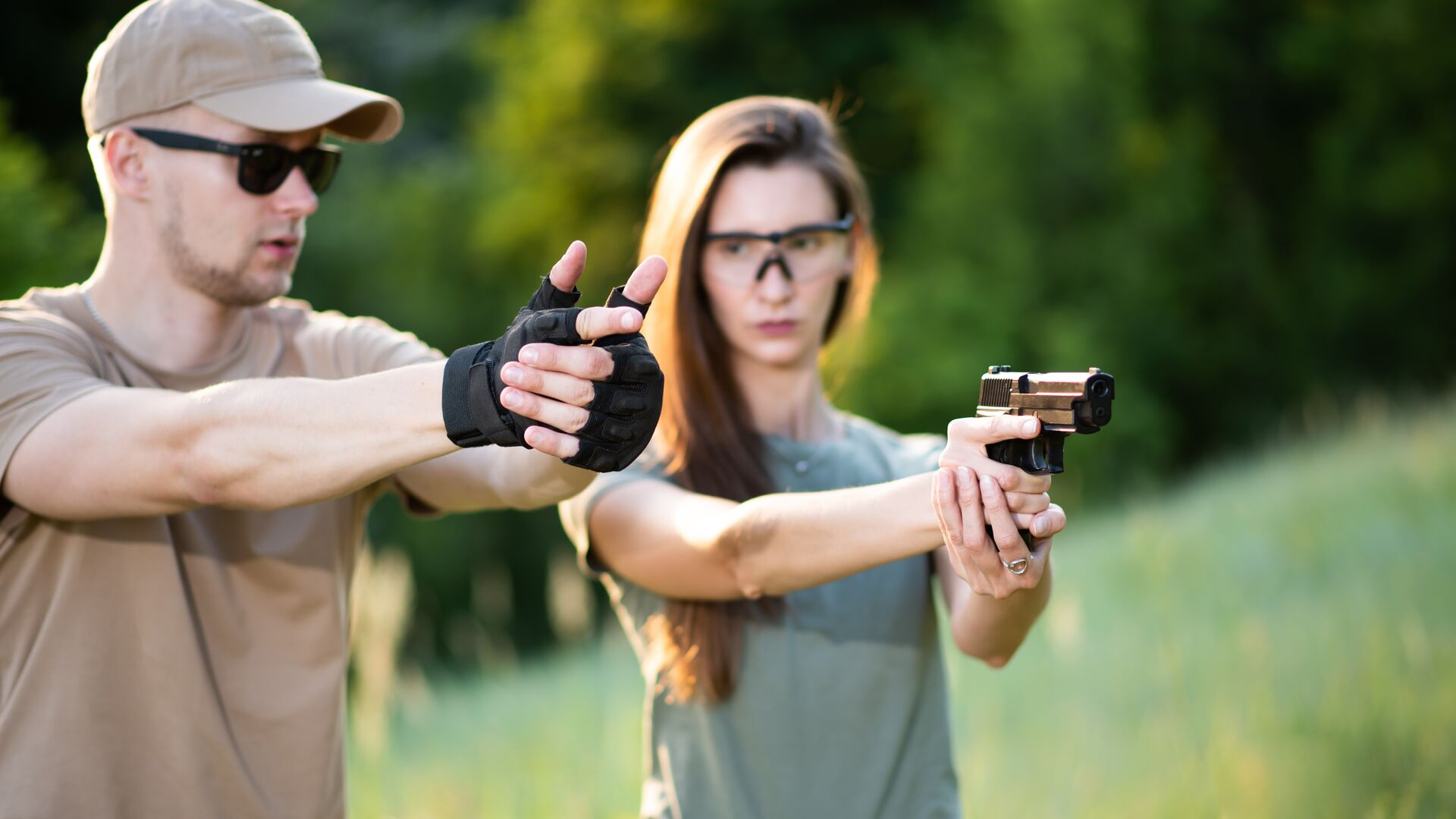
Top 5 Reasons Why You Should Invest in Concealed Carry Classes

In a world where personal safety is a growing concern, many individuals are considering concealed carry classes as a proactive measure to protect themselves and their loved ones. A concealed carry class provides comprehensive training on firearm safety, legal responsibilities, and practical skills needed to carry a concealed weapon.

If you are interested to carry a firearm and want to know about it, you have landed at the right place as here we’ll explore the top five reasons why investing in concealed carry classes is a wise decision.

Understanding the Basics: What is a Concealed Carry Class?

A concealed carry class is a specialized course designed to educate individuals on the responsible and safe use of firearms for personal protection. These classes cover essential topics such as firearm safety, marksmanship, and legal considerations. Instructors with expertise in concealed weapons training guide participants through both classroom instruction and hands-on practice at shooting ranges.

Empower Yourself with Knowledge: Why Should I Take a Concealed Carry Class?

Safety First: One of the primary reasons to invest in concealed carry classes is to promote firearm safety. These classes emphasize responsible gun ownership, storage, and usage. Participants learn how to handle firearms safely, reducing the risk of accidents and promoting a culture of responsible gun ownership.

Legal Knowledge: Understanding the legal implications of carrying a concealed weapon is crucial. This CCW training cover the laws and regulations specific to your jurisdiction, ensuring you are well-informed about where and when you can carry a concealed firearm. This knowledge helps you navigate potential legal pitfalls and ensures that you act within the bounds of the law.

Developing Skills: Beyond safety and legal considerations, concealed carry classes focus on developing practical skills. Participants learn how to draw, aim, and shoot effectively. These hands-on experiences are vital for building confidence and competence in handling firearms, especially in high-pressure situations.

Risk Assessment: Concealed carry classes provide insights into risk assessment and situational awareness. Understanding when and how to use a firearm is as important as knowing when not to. Participants are trained to assess potential threats and make informed decisions about whether to draw their weapon, emphasizing the importance of de-escalation whenever possible.

Time Well Spent: How Long Does a Concealed Carry Class Typically Last?

The duration of concealed carry classes varies depending on the state and the specific program. However, most classes are designed to cover the necessary material thoroughly without overwhelming participants. On average, a can last anywhere from 8 to 16 hours. This time includes both classroom instruction and range practice, ensuring a well-rounded and comprehensive learning experience.

A Permit to Protect: Will I Receive a Concealed Carry Permit After Completing the Class?

Completing a carry permit courses is a crucial step in obtaining a concealed carry permits, but it is not the only requirement. In most jurisdictions, participants must also pass a background check, meet age requirements, and comply with any additional state-specific regulations. The concealed carry class certificate serves as proof of completing the necessary training, strengthening your application for a permit.

It’s important to note that each state has its own set of rules and regulations regarding concealed carry permits. Some states may issue permits to non-residents, while others may not. Therefore, it’s essential to familiarize yourself with the specific requirements of your state or the state where you intend to apply for a concealed carry permit.

Maintaining Proficiency: How Often Should I Renew My Concealed Carry Permit?

Once you’ve obtained your concealed carry permit, the responsibility doesn’t end there. It’s crucial to stay current with your skills and knowledge. While the duration of permits varies by state, many require renewal every 5 to 10 years. Renewal typically involves additional training or refresher personal protection courses to ensure that permit holders remain knowledgeable about firearm safety and legal responsibilities.

Renewing your concealed carry permit is not just a legal obligation; it’s an opportunity to refresh your skills and stay informed about any changes in laws or regulations. Regular training sessions and refresher courses also help you maintain the confidence and competence necessary to respond effectively in challenging situations.

Additional Benefits of Concealed Carry Classes

Confidence Boost: Participating in a concealed carry class instills a sense of confidence. Knowing how to handle a firearm safely and efficiently empowers individuals, fostering a mindset of self-reliance and assurance. This newfound confidence extends beyond the realm of firearms, positively influencing various aspects of daily life.

Community Building: Concealed carry classes often bring together like-minded individuals who share a commitment to responsible gun ownership. This sense of community fosters connections, creating networks of individuals dedicated to promoting safety, education, and awareness. Community engagement can extend to local events, workshops, or support groups, creating a supportive environment for continued learning and growth.

Family Safety: The knowledge gained in concealed carry classes isn’t limited to the individual participant. It can extend to benefit the entire family. Learning about firearm safety and responsible gun ownership allows individuals to educate their loved ones, ensuring that everyone in the household is aware of proper protocols, minimizing the risk of accidents.

Lifelong Learning: Concealed carry classes are not just a one-time event. They encourage a mindset of lifelong learning. Staying informed about changes in laws, advancements in firearm technology, and evolving safety protocols ensures that individuals remain adaptable and well-prepared for any situation that may arise.

Final Thoughts

Investing in concealed carry classes is a proactive step toward personal safety, responsibility, and proficiency. These classes not only equip individuals with the skills needed to handle firearms safely but also provide a comprehensive understanding of the legal implications surrounding concealed carry. By taking the time to educate yourself through a concealed carry class, you empower yourself to make informed decisions, promote responsible gun ownership, and contribute to a safer community. Remember, the right to bear arms comes with the responsibility to do so wisely and safely.

Best Handgun for Beginner: A Comprehensive Guide

As a beginner getting on the journey of firearm ownership can be both exciting and overwhelming. With a numerous of options available, choosing the right handgun is crucial for a positive and safe shooting experience.

In this comprehensive guide, we’ll delve into some key considerations for beginners, addressing questions about revolvers versus semi-automatic pistols, the choice between new and used handguns, and the recommended training before making a purchase.

Revolver vs. Semi-Automatic Pistol: Which is Better for Beginners?

The choice between a revolver and a semi-automatic pistol is a fundamental decision when it comes to beginner handgun choices. Both these beginner-friendly handguns have their advantages and drawbacks, so let’s explore each to help you make an informed decision.

Revolvers are known for their simplicity and reliability. They are easy to operate, making them an excellent choice as the best handgun for any beginner. Revolvers typically have fewer parts and are less prone to malfunctions, making them easier to maintain. Additionally, revolvers are available in various calibers, providing flexibility for different preferences.

On the other hand, semi-automatic pistols offer higher ammunition capacity and faster reloading. They are commonly chosen for self-defense due to their firepower. However, semi-automatics come with a steeper learning curve, requiring more practice to master their operation. Safety features and controls on semi-automatics can be more complex for beginners, but with proper training, they can be an effective choice.

Considerations for Choosing the Best Handgun for Beginner

Selecting the right handgun involves careful consideration of various factors. Here are key aspects to keep in mind:

Fit and Comfort: A comfortable grip is crucial for accuracy and control. Visit a local gun store to handle different models and find one that feels natural in your hand. Hence, it is important to get easy-to-use pistols for beginners.

Size and Weight: Consider where and how you intend to carry the handgun. A compact or subcompact model may be suitable for concealed carry, while a larger frame may be preferable for home defense.

Ease of Operation: Choose a handgun with intuitive controls, especially if you’re a beginner. Features like a simple safety mechanism and an easy-to-operate slide are essential.

Purpose of Use: When you are looking for the best handgun for beginners it is important to determine the primary purpose of your firearm – self-defense, home protection, or target shooting. This will guide your decision on features, caliber, and size.

Can a Beginner Buy a Used Handgun, or Is It Better to Purchase New?

The decision to buy a new or used handgun is influenced by various factors, including budget constraints and personal preferences. Both options have their advantages and potential pitfalls.

Buying New

Warranty: New handguns often come with warranties, providing peace of mind in case of manufacturing defects.

Latest Features: New models may feature the latest advancements in technology, ergonomics, and safety.

Consistency: You can expect consistent performance and reliability with a new firearm.

Buying Used:

Cost: Used handguns are generally more affordable than their brand-new counterparts, allowing beginners to enter firearm ownership at a lower cost.

Vintage Appeal: Some enthusiasts appreciate the character and history of older models, which may not be available in new firearms.

Depreciation: Unlike many other products, handguns tend to retain their value well, making used purchases less risky.

However, when considering a used handgun, it’s essential to thoroughly inspect the firearm for any signs of wear, damage, or poor maintenance. Verify its history, if possible, and consult with knowledgeable individuals or gun store professionals for advice.

What Training Is Recommended for a Beginner Before Purchasing a Handgun?

Before purchasing a handgun, it is crucial to undergo proper training to ensure safety, responsible ownership, and effective use. Here are some recommended training steps for beginners:

Basic Firearm Safety Course: Enroll in a certified basic firearm safety course to learn essential safety rules, handling techniques, and storage practices.

Range Familiarization: Spend time at a shooting range under the guidance of an experienced instructor. Familiarize yourself with different handguns, calibers, and shooting stances.

Legal and Ethical Considerations: Understand the laws and regulations regarding firearm ownership in your state. Learn about the ethical responsibilities associated with owning and using a handgun.

Continued Education: Stay informed about firearm safety, laws, and best practices through ongoing education. Consider advanced training courses to enhance your skills and confidence.

Practice, Practice, Practice: Regular practice is essential for proficiency and muscle memory. Start with the basics and gradually progress to more advanced drills as you become comfortable.

In a Nutshell

Choosing the best handgun for a beginner involves a thoughtful and informed decision-making process. Whether opting for a revolver or semi-automatic pistol, considering factors like fit, caliber, and intended use is crucial. While both new and used handguns have their merits, it’s essential to prioritize safety and thoroughly inspect any used firearm before purchase.

Investing time in proper training is non-negotiable for beginners. Enrolling in a firearm safety course, gaining hands-on experience at a shooting range, and staying informed about legal and ethical considerations are integral parts of responsible firearm ownership.

Remember, the best handgun for a beginner is the one that aligns with your preferences, needs, and commitment to safety. By approaching the decision with diligence and respect for the responsibility of firearm ownership, you’ll set the foundation for a positive and fulfilling experience in the world of handguns.

Five Weapon Safety Rules That Could Save Your Life

Firearms safety guidelines is paramount for responsible gun ownership. Understanding and following weapon safety rules can prevent accidents and save lives. In this comprehensive guide, we will explore five essential Firearm Safety Guidelines that every gun owner, especially beginners, should adhere to. From firearm handling rules to safety protocols, this guide aims to provide valuable insights into ensuring a safe and responsible approach to firearms.


Content Subheading: Embracing Firearm Safety for Beginners


As beginners embark on their journey into responsible gun ownership, understanding Firearm Safety Guidelines is crucial. Let us delve into the fundamental principles that form the backbone of a secure and responsible approach to handling weapons.


Firearm Safety Rules


Treat Every Firearm as If It Is Loaded

The cornerstone of firearm safety is treating every weapon as if it is loaded, regardless of its actual condition. This mindset instills a habit of careful and deliberate handling, reducing the risk of accidental discharges.

Keep the Muzzle Pointed in a Safe Direction

Ensuring the muzzle is always pointed in a safe direction minimizes the potential harm in case of an accidental discharge. Practicing this rule prevents unintentional injuries and maintains a secure environment during firearm handling rules.

Keep Your Finger off the Trigger until Ready to Shoot

Avoiding unnecessary contact with the trigger until you are ready to shoot is essential. This rule prevents accidental discharges and promotes a disciplined approach to firearm handling.

Know Your Target and what is Beyond It

Being aware of your target and the surrounding environment is crucial for responsible firearm use. Understanding the potential consequences of a shot ensures that you make informed decisions, minimizing the risk of unintended harm.

Store Firearms Securely

Proper storage is a key component of firearm safety. Whether at home or during transport, secure storage prevents unauthorized access and ensures that firearms are kept out of reach of children and individuals who should not have access.

Content Subheading: Firearm Safety Training and Tips

In addition to the fundamental rules mentioned above, firearm safety training and tips play a pivotal role in developing a comprehensive understanding of responsible gun ownership.

Firearm Safety Training

Enrolling in a reputable firearm safety-training course is highly recommended for both beginners and experienced gun owners. These courses cover essential topics, including safe handling, storage, and emergency procedures, providing practical knowledge that enhances overall firearm safety.

Firearms Handling Precautions and Rifle Safety Principles

Understanding specific precautions for handling different types of firearms, including rifles, further contributes to a well-rounded approach to weapon safety.

Firearms Handling Precautions

Understanding firearm-specific safety features is paramount for responsible gun ownership. Each firearm has unique safety mechanisms, such as safety switches, DE cockers, or trigger locks. Familiarize yourself with these features through the manufacturer’s manual or professional training. Knowing how these elements work enhances your ability to handle firearms safely, preventing accidental discharges, and ensuring that you can effectively secure and use your weapon when necessary. Regularly practice engaging and disengaging these features to reinforce safe handling habits.

Understand Firearm-Specific Safety Features

Different types of firearms come with unique safety features. Familiarize yourself with these features to enhance your ability to handle firearms safely.

Regular Maintenance and Inspection

Performing regular maintenance and inspections ensure that firearms are in proper working condition. This reduces the likelihood of malfunctions that could lead to accidents.

Rifle Safety Principles

Maintain Proper Barrel Control:

Controlling the barrel of a rifle is critical for safety. Always be mindful of the direction the barrel is pointing, especially when moving or handling the rifle.

Use Appropriate Safety Gear

When using firearms, especially rifles, wearing appropriate safety gear, such as hearing protection and eye protection, is crucial for personal safety.

FAQS

Why is it essential to treat every gun as if it is loaded?

Treating every gun as if it is loaded is essential to instill a habit of cautious handling, minimizing the risk of accidental discharges. This mindset ensures individuals consistently follow proper safety procedures and reduces the likelihood of unintentional harm.

Why it is crucial to ensure the firearm is always stored safely?

Storing firearms safely is crucial to prevent unauthorized access, especially by children, and to minimize the risk of theft. Secure storage also ensures that firearms are kept out of the hands of individuals who should not have access, promoting overall safety.

Are the five Weapon Safety Rules applicable only to firearms?

While the term “weapon” is broad, the five Weapon Safety Rules are primarily designed for firearms. However, the principles of safe handling and responsible use can be adapted to other types of weapons with proper consideration of their specific characteristics.

How can individuals learn and apply the five Weapon Safety Rules?

Individuals can learn and apply the five Weapon Safety Rules through reputable firearm safety training courses, hands-on practice at shooting ranges, and continuous education on responsible gun ownership. Professional instruction, online resources, and community workshops are valuable tools to enhance understanding and application of these essential safety guidelines.

Summing It Up

Following these five essential weapon safety rules and incorporating firearm safety training into your routine can significantly reduce the risk of accidents and ensure responsible gun ownership. Whether you are a seasoned gun owner or a beginner, prioritizing firearm safety is not only a legal obligation but also a moral imperative. Always stay informed, practice safe handling, and contribute to a culture of responsible gun ownership within the community.

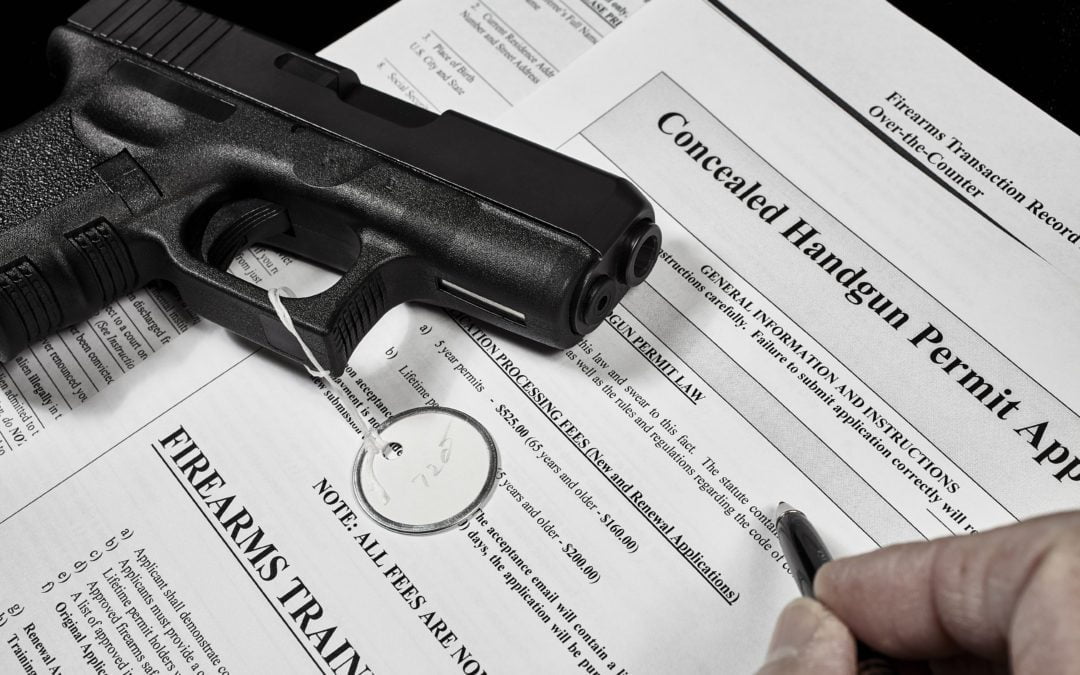
Unlocking the Process: A Step-By-Step Guide How to Get License for Pistol

Securing a license to own a pistol is a regulated process that involves several steps and requirements. Understanding the pistol license application process, obtaining a handgun permit, and meeting the necessary criteria are crucial for individuals seeking legal ownership. In this comprehensive guide, we will walk you through the key aspects of obtaining a pistol license, including the legal requirements, safety courses, age criteria, and reasons for potential denials.

How to Get License for Pistol Application Process

The journey to obtaining a pistol license starts with navigating through the application process. Whether you are a first-time applicant or renewing an existing license, the steps are similar. Submitting a thorough and accurate application is paramount. Begin by filling out the required forms, ensuring you provide all necessary personal information. In the following sections, we will delve into the specifics of each step to streamline your application experience.

Navigating the Application Forms

Navigating the application forms is a critical step in the pistol license acquisition process. To ensure a seamless experience, carefully fill out the required paperwork, providing accurate and complete personal information. Begin by understanding the specific details needed, such as personal identification, background history, and reasons for seeking a pistol license. Double-check your entries to avoid any discrepancies that could lead to delays or denials. Familiarize yourself with any supplementary documents required and ensure timely submission. Navigating this paperwork efficiently sets the foundation for a successful application, increasing the likelihood of obtaining the coveted pistol license.

Pistol License Requirements

One of the primary focuses of obtaining a handgun permit is meeting the necessary requirements set by local and state authorities. Understanding these criteria is essential for a successful application. Common pistol license requirements include age restrictions, residency specifications, and compliance with any legal prerequisites. Let us explore these requirements in detail to guide you through the eligibility criteria.

Legal Requirements for Pistol Ownership

Owning a pistol comes with responsibilities, and adhering to legal requirements is paramount. Familiarize yourself with the regulations surrounding pistol ownership, storage, and transportation. Understanding and complying with these, legal aspects not only ensure a smooth application process but also contribute to responsible firearm ownership.

Pistol Safety Course for Licensing

Participating in a pistol safety course is often a prerequisite for obtaining a license. These courses equip applicants with the knowledge and skills needed to handle firearms safely. From understanding basic firearm mechanics to practicing responsible shooting techniques, these courses play a vital role in promoting safe pistol ownership.

Age Requirements for Pistol Licensing

Age restrictions play a crucial role in the licensing process. Understanding the minimum age requirements for obtaining a pistol license is essential. Local and state regulations may vary, so it is crucial to research and adhere to the specific age criteria applicable to your jurisdiction.

Reasons for Pistol License Denial

While striving to meet all the necessary requirements, it is equally important to be aware of potential reasons for license denials. Common reasons include criminal history, mental health concerns, and violations of firearm laws. Being informed about these factors can help applicants address any potential issues proactively.

Understanding Potential Denial Factors

Understanding potential denial factors is crucial for a successful pistol license application. Common reasons for denial include a criminal record, mental health issues, or violations of firearm laws. If you have a criminal history, consider providing evidence of rehabilitation. Mental health concerns may require documentation from a mental health professional stating your fitness for firearm ownership. To address violations, ensure compliance with all relevant laws before applying. Being proactive by addressing these concerns, providing necessary documentation and maintaining transparency throughout the application process can significantly increase your chances of a successful pistol license application. Always consult local authorities for specific guidelines in your jurisdiction.

Conclusion

Navigating the process of obtaining a pistol license involves a combination of meeting requirements, understanding legal obligations, and participating in safety courses. By following this systematic guide, you will be better equipped to embark on a successful journey towards responsible pistol ownership. Always stay informed, adhere to regulations, and prioritize safety throughout the entire process.

FAQS

How Much Does It Cost To Apply For A Pistol License?

The cost of applying for a pistol license varies by location but typically ranges from $50 to $200, covering background checks and administrative fees.

Can I obtain a non-resident pistol license in a different state?

Non-resident pistol licenses in different states depend on reciprocity agreements. Research specific state laws to determine eligibility and requirements.

Do I need to complete a safety course to get a pistol license?

Yes, completing a safety course is often mandatory for obtaining a pistol license; ensuring applicants are knowledgeable about firearm safety practices.

Is There A Waiting Period For Obtaining A Pistol License?

Waiting periods for pistol licenses vary by jurisdiction. Some areas may have a waiting period, while others may process applications more quickly. Research local laws for accurate information.

What are the general requirements for obtaining a pistol license?

General requirements for obtaining a pistol license usually include meeting age and residency criteria, passing background checks, and sometimes completing a safety course. Check local regulations for specific details.

What are the Top Factors That Affect 4 Bore Rifle Value

In the world of firearms, the 4 bore rifle value stands as a testament to craftsmanship and sheer might. These titans of the gun world have a storied legacy that spans centuries. Renowned for their incredible power and ability to take down the largest game, they were wielded by hunters seeking trophies of unimaginable scale. Additionally, their historical role in military applications adds layers to their significance, making them not just objects of utility but also artifacts steeped in tales of adventure and conquest.

Determining the value of a 4 bore rifle isn’t just about assessing its physical attributes. It’s about unraveling the narrative woven into every inch of steel and wood. Each rifle has its own story, whether it’s about the skilled hands that crafted it, the hands that held it in pursuit of dangerous game, or the battles it might have witnessed. This amalgamation of history, craftsmanship, and utility renders these rifles as much pieces of art as they are functional firearms, evoking fascination and admiration among collectors and enthusiasts.

The Craft of 4 Bore Rifle Appraisal

Unveiling the true value of a 4 bore rifle requires a meticulous approach. Market dynamics, as reflected in trends, play a pivotal role, in portraying the demand and rarity of these large caliber rifles. However, it’s not merely about supply and demand; it’s a tapestry woven from historical significance, brand prominence, and the rifle’s physical state that ultimately dictates its appraisal.

  • Market Trends and Rarity:

The evaluation of 4 bore rifles is deeply entwined with market trends, a landscape that constantly fluctuates. Rarity stands as a cornerstone in determining their value. Limited production runs or specific models tied to historical events or renowned manufacturers often fetch higher prices due to their scarcity in the market.

  • Condition and Authenticity:

Assessing antique firearm worth, especially that of a 4 bore rifle, pivots on its condition and authenticity. The presence of original components, minimal modifications, and well-maintained finishes significantly heightens its value. Conversely, any damage, alterations, or refinishing work can markedly diminish its worth.

Unraveling Manufacturer Legacy and Influence

In the intricate tapestry of vintage rifle valuation, the legacy of the manufacturer emerges as a defining factor. Rifles originating from esteemed makers such as Holland & Holland or Purdey carry an inherent prestige, often commanding higher reverence and, consequently, increased market value. These manufacturers have established themselves as paragons of craftsmanship and precision, elevating the desirability and worth of their firearms among collectors and enthusiasts.

  • Significance of Historical Pedigree and Provenance

The value of a 4 bore rifle can ascend to unprecedented heights when intertwined with historical importance and a rich provenance. Ownership by renowned historical figures, connections to pivotal events, or meticulously documented histories can infuse layers of value that transcend the mere physical attributes of the rifle. A rifle’s story, its journey through time, and its association with significant moments or personalities imbue it with a cultural and historical significance that captivates collectors and enhances its market allure.

  • Expert Evaluation and Rigorous Appraisal Procedures

The involvement of expert evaluators, specialized gunsmiths, or reputable appraisers in the assessment of antique firearms is indispensable. Their keen eye, honed expertise, and deep understanding of these large caliber rifles offer invaluable insights that extend beyond the surface evaluation. Their assessments delve into the minutiae, scrutinizing every detail from the rifle’s construction and provenance to its condition. Backed by meticulous documentation, these appraisals serve as authenticating certificates, validating the rifle’s historical worth and market value. The expertise and authority of these evaluators lend credibility to the rifle’s appraisal, reassuring potential buyers or collectors of its authenticity and significance.

FAQs

  • What is a 4 Bore Rifle?

A 4 bore rifle refers to a firearm with a large bore diameter, typically around 1 inch or 25.4mm. It’s historically known for its immense power and was primarily used for big game hunting and, in some cases, military applications. These rifles are characterized by their substantial size and firepower.

  • Are There Online Resources to Check 4 Bore Rifle Values?

Yes, several online platforms and resources specialize in firearms valuation, including 4 bore rifles. Websites like auction houses, firearm appraisal services, and dedicated forums provide insights into historical sales data, current market trends, and estimations of 4 bore rifles values.

  • Can the Value of a 4 Bore Rifle Increase Over Time?

Yes, the value of a 4 bore rifle can appreciate over time, influenced by various factors. Rarity, historical significance, manufacturer reputation, condition, and provenance are key elements that can contribute to an increase in value. As these rifles age and become scarcer due to limited production or specific historical associations, their worth can potentially rise in the collectors’ market.

  • Are There Any Rare or Collectible 4 Bore Rifles?

Absolutely, certain 4 bore rifles are considered rare and highly collectible. Factors such as limited production runs, association with renowned gunmakers, historical significance, or unique features can elevate certain rifles to collectible status. Rifles with notable provenance, ties to famous owners, or those used in significant events often fetch higher demand among collectors, contributing to their rarity and value.

Conclusion

Assessing the value of a 4 bore rifle is an intricate puzzle, encompassing market dynamics, historical context, manufacturer eminence, condition, and provenance. Deciphering these complex layers is essential for accurately gauging the worth of these remarkable firearms within the vintage firearms market.

In the realm of antique firearms, the 4 bore rifle stands as a testament to craftsmanship, history, and allure. Its value surpasses mere measurements; it encapsulates a narrative that collectors and enthusiasts fervently seek to uncover. Mastering these complexities enriches the admiration for these extraordinary pieces of history.

What are Misconceptions About Unarmed Security Guards

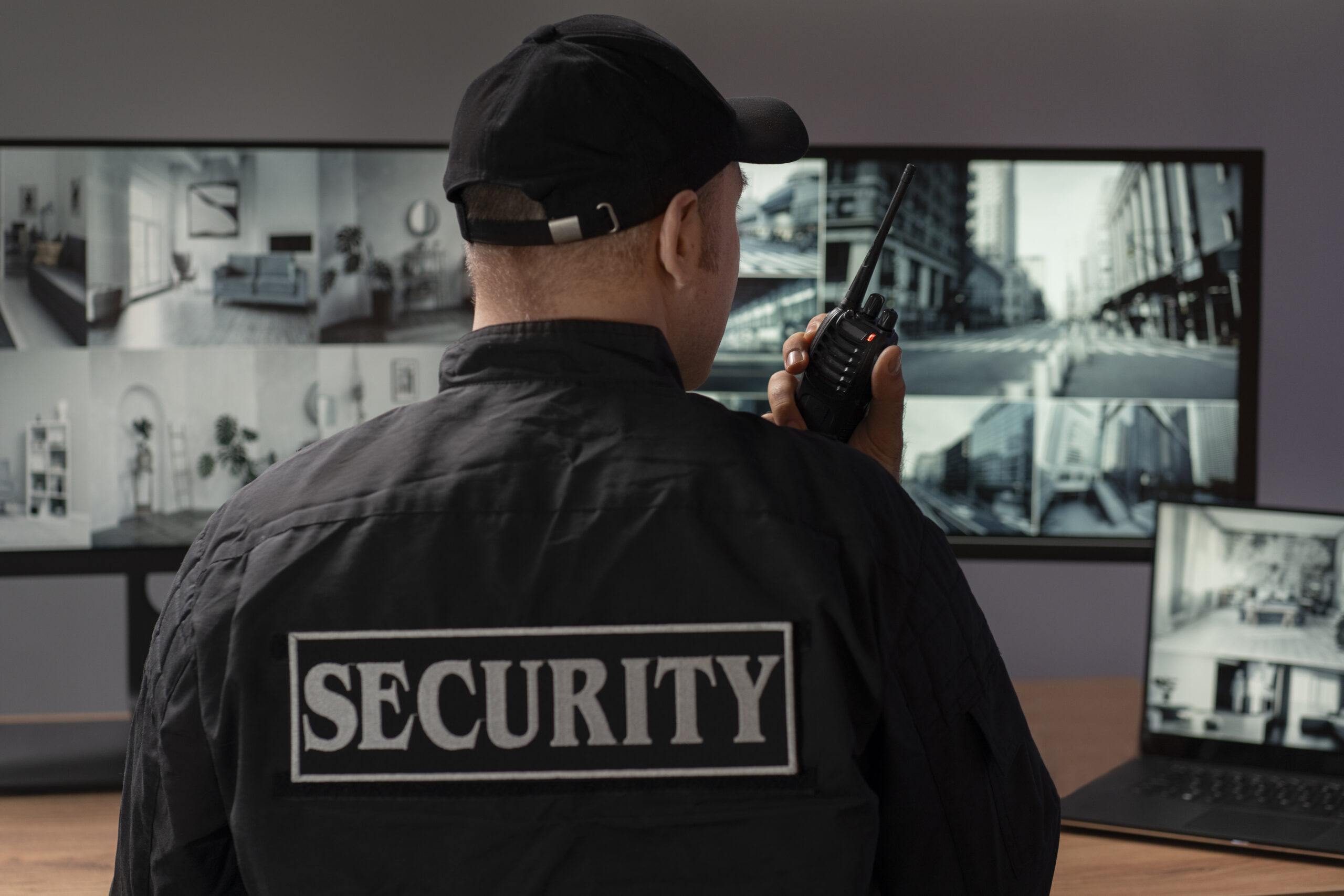
Unarmed security guards play an integral role in upholding safety across a wide array of environments, yet prevailing misconceptions tend to undermine their efficacy and importance. Clarifying and dispelling these myths holds immense importance in acknowledging the substantial contribution of unarmed security personnel in ensuring the safety and security of diverse settings.

By unraveling these misconceptions, it becomes evident that unarmed security guards are not merely passive observers. Instead, they are active agents in maintaining peace and security, employing their training, keen observation, and effective communication to address security challenges effectively. Recognizing the significance of their roles underscores the need to appreciate and acknowledge the vital contribution these professionals make to safeguarding diverse environments.

Myth 1: Unarmed Guards are Ineffective in Handling Threats

A common misconception is that unarmed security guards lack the ability to manage threats effectively. However, these professionals, termed unarmed security guards, undergo rigorous training in conflict resolution and de-escalation techniques. Their expertise lies in diffusing situations through communication and observation rather than relying on physical force, ensuring a non-violent resolution.

Myth 2: Unarmed Guards Lack Authority

Contrary to popular belief, unarmed security guards hold significant authority within their designated premises. Their responsibilities extend beyond physical defense; these professionals enforce rules, manage access control, and maintain order in various settings, including commercial spaces, events, and corporate security.

Myth 3: Unarmed Guards Offer Limited Protection

Another misconception is assuming that unarmed security guards provide limited protection due to their absence of firearms. Despite not carrying weapons, these professionals specialize in vigilance, promptly detecting suspicious behavior, and reporting potential security threats. Their proactive approach often prevents incidents from escalating, contributing significantly to maintaining a secure environment.

Myth 4: Unarmed Security Guards are Not Professional

There’s a misconception that unarmed security guards are less professional compared to their armed counterparts. In reality, these professionals undergo extensive training in customer service, crisis management, and emergency response. They exhibit high levels of professionalism, adhering strictly to security protocols and ensuring a safe and secure environment.

Myth 5: Unarmed Guards are Easily Overpowered

The misconception that unarmed security guards are vulnerable to being overpowered is misguided. Their training encompasses comprehensive strategies focusing on situational awareness, effective communication, and conflict resolution techniques to mitigate risks. Rather than relying on physical force, these professionals emphasize de-escalation tactics, significantly reducing the likelihood of confrontational situations.

Myth 6: Unarmed Guards are Redundant in High-Risk Areas

Contrary to the misconception that unarmed security guards are unnecessary in high-risk areas, their role holds substantial significance. Despite not carrying firearms, their presence alone acts as a deterrent to criminal activity. Trained in prevention, observation, and reporting, they play a crucial part in bolstering security levels and preventing potential threats from escalating.

Myth 7: Unarmed Guards Lack Specialized Skills

Another fallacy is assuming that unarmed security guards lack specialized skills. In reality, their training is meticulously tailored to specific environments, equipping them with the expertise to handle various scenarios they might encounter in their roles. Their skill set encompasses conflict resolution, effective communication, and proactive measures aimed at ensuring safety within diverse settings.

FAQs

  • Can you be an unarmed security guard with a felony?

While the presence of a felony conviction can present challenges in becoming an unarmed security guard, eligibility isn’t necessarily out of reach. State laws and employer policies vary widely, impacting the hiring process for individuals with a felony record. Some states have restrictions, but others may consider factors such as the nature of the felony, rehabilitation efforts, and the passage of time since the conviction. In certain instances, individuals might have avenues to appeal for special permissions or waivers, allowing them to pursue employment in security roles.

  • Can an unarmed security guard carry a taser?

Authorization for unarmed security guards to carry a taser hinges on a combination of factors, including state regulations, employer policies, and specialized training requirements. These regulations are in place to ensure that those entrusted with non-lethal weapons like tasers possess the necessary skills and understanding to use them responsibly and effectively. Usually, guards must undergo specific training and demonstrate proficiency before being granted permission to carry such equipment while on duty.

  • Do unarmed security guards get drug tested?

Drug testing is a standard procedure within security firms for unarmed guards. This practice typically involves pre-employment screenings and periodic random tests during employment. These tests aim to maintain a drug-free environment and uphold the reliability and safety of unarmed security guards while on duty. Compliance with drug testing ensures that those in security roles are capable, dependable, and able to perform their duties effectively.

  • Can an unarmed security guard carry pepper spray?

Permission for an unarmed security guard to carry pepper spray depends on compliance with state laws and employer regulations. In certain states where it’s permitted, guards might be authorized to carry pepper spray as part of their duty gear. However, this authorization usually comes after specialized training and approval from their employer. The training focuses on the proper and safe use of pepper spray, ensuring that guards are equipped to handle defensive tools responsibly in the course of their duties.

Conclusion

Dispelling these misconceptions underscores the indispensable role of unarmed security guards in maintaining security across diverse settings. These professionals, often underestimated, significantly contribute to conflict resolution, threat prevention, and fostering safe environments through their proactive and observant approach. Their emphasis on de-escalation tactics, strategic deterrence, and specialized training makes them valuable assets in safeguarding communities and premises.

How to Choose the Right Shooting Gear for Your Firearm

Are you on the quest for the perfect shooting gear to enhance your firearm experience? Selecting the right shooting gear isn’t just about aesthetics; it’s about optimizing performance, comfort, and safety. Whether you’re a seasoned shooter or just beginning your firearm journey, understanding the essential components of shooting gear is crucial.

Understanding the Essentials of Shooting Gear

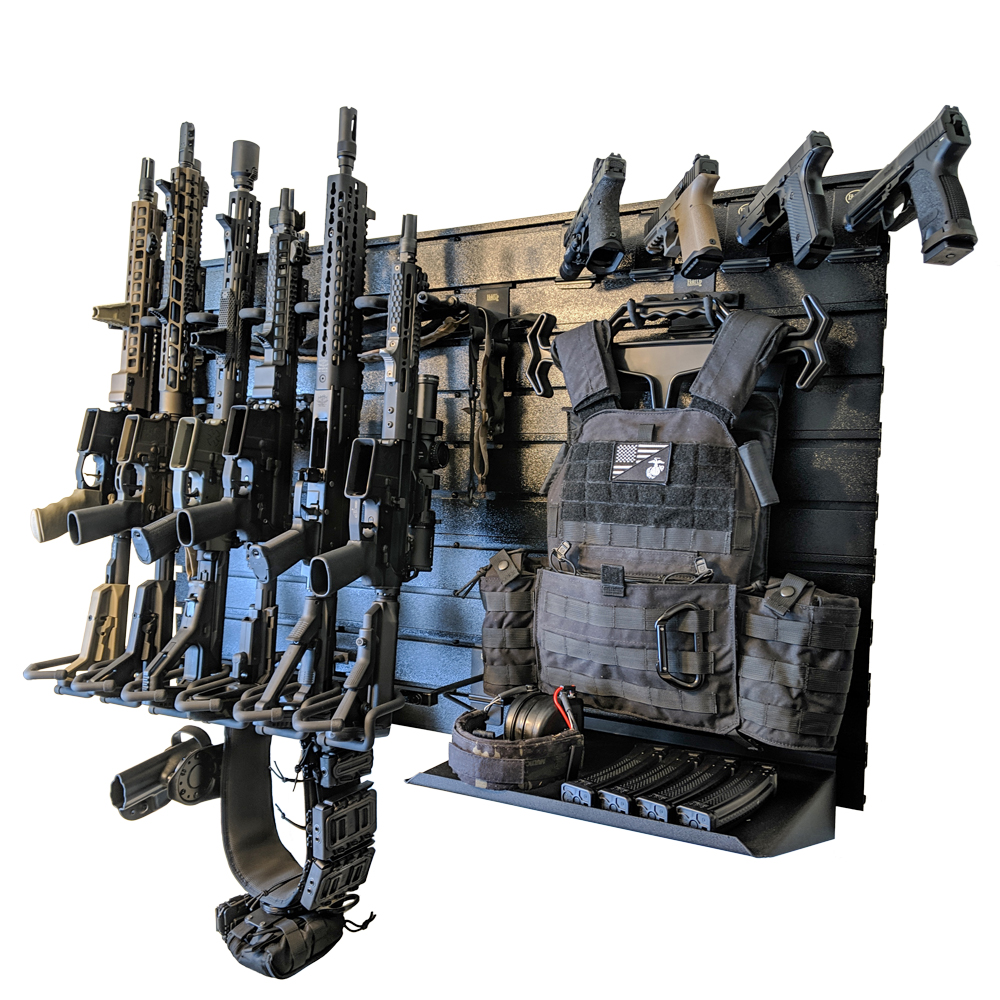
Shooting gear constitutes a broad spectrum of accessories and supplies designed to complement and elevate your firearm experience. These components, spanning from gun cleaning kits to range bags, serve as pivotal tools ensuring safety, convenience, and optimized performance throughout shooting sessions. The careful selection and utilization of shooting gear significantly impact the efficiency and safety of firearm use.

Choosing Firearm Accessories Wisely

The discerning choice of firearm accessories revolves around the principles of quality and compatibility. A meticulously chosen gun cleaning kit, precisely tailored to your firearm’s specifications, facilitates comprehensive maintenance, safeguarding its functionality and prolonging its operational life. Additionally, investing in sturdy range bags and cases equipped with ample padding and designated compartments ensures the protection and systematic organization of firearms and associated gear, enhancing overall shooting convenience.

Exploring Holsters, Belts, and Gunsmithing Tools

Holsters and belts transcend mere accessories; they are indispensable elements for secure and comfortable firearm carry. The selection process involves choosing holsters that snugly and securely accommodate your firearm, striking a balance between retention and accessibility. Moreover, the integration of high-quality gunsmithing tools into your gear ensemble facilitates the meticulous fine-tuning and customization of your firearm. This customization aligns with individual shooting preferences, ultimately contributing to enhanced accuracy, functionality, and comfort during use.

Evaluating Ammo Storage Solutions

Effective ammo storage is pivotal for preserving the quality and reliability of ammunition. Opting for containers that offer airtight seals and moisture resistance shields your ammunition from detrimental environmental factors, ensuring its consistency and dependability when utilized. This safeguarding of ammunition through proper storage not only preserves its reliability but also contributes significantly to extending its longevity, assuring consistent performance when firing.

Prioritizing Firearm Training for Women

Tailored firearm training for women venturing into firearms are indispensable. Specially designed shooting gear for women addresses ergonomic needs, focusing on comfort and facilitating a secure and enjoyable shooting experience. Firearms training programs tailored for women prioritize safety protocols, building confidence and proficiency during shooting practices. The emphasis on specialized training and gear ensures that women engaging in firearms possess the necessary knowledge and gear conducive to their comfort and safety.

Balancing Comfort and Performance

Comfort stands as a fundamental factor in the selection of shooting gear. The chosen gear should seamlessly align with your shooting stance and style, contributing to a more natural and comfortable shooting experience. An ergonomic fit, coupled with easy accessibility to gear, significantly enhances shooting performance and safety. Striking a balance between comfort and performance not only improves shooting efficiency but also promotes a safer and more enjoyable shooting experience overall.

Embracing Gun Safety with Shooting Supplies

The significance of shooting supplies in cultivating a safe shooting environment cannot be overstated. Investing in high-quality safety essentials such as protective glasses and ear gear serves as a crucial shield against potential hazards during shooting sessions. Prioritizing safety gear assures a secure and guarded shooting experience, mitigating risks and ensuring the well-being of shooters.

Merging Aesthetics with Functionality

While aesthetic appeal may draw attention, functionality reigns supreme when selecting shooting gear. Gear that seamlessly integrates aesthetics with practicality aligns with individual shooting objectives. Prioritizing functionality ensures that the chosen gear not only enhances shooting experiences but also adheres to stringent safety standards, thereby optimizing both performance and safety during shooting activities.

Seeking Recommendations and Reviews

In the pursuit of reliable shooting gear, conducting thorough research and seeking guidance from experienced shooters and professionals is invaluable. Exploring online reviews, participating in forums, and consulting with peers aid in gathering diverse perspectives. Insights from seasoned individuals assist in making informed choices, guiding toward gear that aligns with specific shooting needs, preferences, and safety standards.

Testing and Customizing Your Gear

An indispensable approach in gear selection involves hands-on testing whenever feasible. This direct evaluation allows shooters to assess the comfort, functionality, and compatibility of gear with their firearm and shooting style. The customizing gear according to individual preferences further refines the shooting experience, establishing a personalized and efficient setup conducive to improved performance and safety.

FAQs

  • What is shooting gear?

Shooting gear includes diverse accessories and supplies crucial for firearms use, such as cleaning kits, holsters, eye and ear protection, and range bags. These items enhance safety, maintenance, and convenience during shooting sessions.

  • What are some must-have accessories for a shooting range visit?

Essential accessories for the range comprise ear and eye protection, a range bag for firearms and ammo storage, targets, and suitable ammunition, ensuring a safe and productive shooting experience.

  • Are there specific regulations for shooting gear in different locations?

Regulations regarding permissible gear can vary based on location and range policies. It’s crucial to familiarize yourself with specific rules governing gear usage and safety equipment at each shooting venue.

  • How can I protect my hearing during shooting activities?

Protect your hearing by utilizing earmuffs or earplugs specifically designed to minimize the intensity of gunshot noise, ensuring auditory safety during shooting sessions.

  • What should I look for in shooting apparel?

Opt for comfortable, durable clothing suitable for weather conditions and offering unrestricted movement. Look for reinforced or padded areas in apparel, especially around the shoulders, to mitigate firearm-related impact.

Conclusion

Choosing the right shooting gear for your firearm demands a nuanced balance of practicality, safety, and personal preference. It’s crucial to prioritize quality, seeking gear that aligns seamlessly with your shooting goals while ensuring comfort and compatibility. Understanding the pivotal role of shooting gear in firearm use empowers you to elevate your shooting experience. Precision, safety, and enjoyment converge when gear is meticulously selected. By valuing safety, functionality, and personal comfort, you create an environment where shooting becomes not just an activity but a refined and optimized experience. Embrace the significance of suitable shooting gear and transform your sessions into moments of precision, safety, and gratification, enhancing your overall shooting proficiency and satisfaction.

Best Tips for Passing the NYS Concealed Carry Course

Are you preparing for the NYS Concealed Carry Course and striving to excel? This course serves as a pivotal step toward obtaining your concealed carry permit in New York State. Achieving success requires not just understanding handgun safety but also comprehensive knowledge of New York’s gun laws. Here are expert tips to ensure your success in the NYS Concealed Carry Course.

Understanding the NYS Concealed Carry Course

Comprehending the structure and objectives of the NYS Concealed Carry Course is paramount for success. This training is designed to cover critical aspects such as handgun safety, New York State gun laws, and responsible firearm handling. Delve into the course curriculum, familiarizing yourself thoroughly with the topics covered. This understanding ensures you’re well-prepared to tackle the assessments and practical components of the course effectively.

In-Depth Understanding of New York State Gun Laws

A profound understanding of New York’s intricate gun laws is vital to navigating the NYS Concealed Carry Course. Dive into the legalities regarding concealed carry permits, firearm possession, the use of deadly force, and other regulations specific to handgun ownership and carrying in the state. Regularly check for updates or amendments in the laws to ensure you’re well-informed and up-to-date on the latest regulations during the course.

Enroll in Quality Concealed Carry Training NY Programs

Choosing a reputable training program is pivotal for effective preparation. Look for certified instructors and facilities renowned for their expertise in firearm safety and training. Quality Concealed Carry Training NY courses often incorporate a blend of theoretical classroom instruction, practical firearm handling sessions, and live-fire exercises. Opting for such programs ensures comprehensive preparation and builds confidence in your abilities.

Prioritize Firearm Safety and Handling Techniques

Emphasize firearm safety practices throughout your preparation. Master safe gun handling, storage, and usage techniques. Regularly practice safe manipulation of firearms, including proper loading, unloading, and handling procedures. Repetitive practice helps in achieving proficiency and confidence in handling firearms safely, a crucial aspect of the NYS Concealed Carry Course.

Focus on Handgun Permit Training Requirements

Dedicate time specifically to understand the prerequisites for obtaining a handgun permit in New York State. Delve into the specific guidelines and procedures outlined by the state for concealed carry permits. Ensure that you fulfill all necessary documentation, qualifications, and prerequisites required to apply for the permit.

Embrace Responsible Gun Ownership Principles

Responsible gun ownership forms the cornerstone of the NYS Concealed Carry Course. Familiarize yourself with various scenarios involving the use of deadly force. Understand the legal and moral implications of using a firearm in different situations. Developing a keen understanding of when and how to use a firearm legally and responsibly is imperative for passing the course.

Opt for Reputable Gun Permit Courses in New York

Choose Gun Permit Courses in New York offered by reputable institutions known for their comprehensive coverage of the topics relevant to the NYS Concealed Carry Course. These courses often provide detailed insights into New York State gun laws, firearm safety, and the practical application of concealed carry regulations. A well-structured course can significantly enhance your understanding and readiness for the NYS Concealed Carry Course.

Utilize NY State CCW Training Resources

Explore a variety of resources available for NY State CCW Training. These could include reference books, online resources, practice quizzes, or additional training materials offered by certified instructors. These resources complement your preparation, serving as valuable tools to reinforce your knowledge base and effectively prepare for the course.

Engage in Mock Tests and Practice Drills

Participate in mock tests and practice drills that simulate the NYS Concealed Carry Course environment. These exercises are instrumental in evaluating your readiness for the assessments, identifying areas that require more focus, and building confidence in your firearm handling skills. Regular practice in controlled settings helps to hone your abilities and boosts your preparedness for the actual course.

Stay Updated with New York State Gun Laws

Gun laws are subject to changes and amendments; therefore, staying informed is crucial. Regularly check for updates or revisions in New York State gun laws to ensure you’re well-versed in the most current regulations during the NYS Concealed Carry Course. Staying updated demonstrates your commitment to staying compliant with the law and enhances your overall preparedness for the course.

FAQs

  1. How do I find a reputable NYS Concealed Carry Course provider?

Seek certified providers with a solid reputation. Research online reviews, check for state accreditation, and seek recommendations from experienced firearm owners or local gun clubs to identify reputable training facilities.

  1. Is there a written test or practical assessment as part of the course?

Yes, the NYS Concealed Carry Course typically involves both a written test and practical assessments. The written test assesses knowledge of firearm laws, safety measures, and regulations. Practical assessments evaluate firearm handling skills and safety protocols.

  1. How long does the NYS Concealed Carry Course take to complete?

The course duration varies based on the provider and curriculum, ranging from several hours to a few days. It hinges on the depth of material covered and the format of the training, including classroom sessions and practical exercises.

  1. What topics are covered in the NYS Concealed Carry Course?

The course covers crucial aspects such as handgun safety, New York State gun laws, responsible firearm handling, legalities of concealed carry, use of deadly force, and scenarios related to carrying a concealed weapon. It emphasizes comprehensive knowledge and adherence to state regulations.

Conclusion

Mastering the NYS Concealed Carry Course demands a fusion of theoretical knowledge, practical skills, and a profound grasp of New York’s firearm laws. Prioritizing safety, meticulous preparation and strict adherence to state regulations are pivotal. This approach ensures success and facilitates obtaining your concealed carry permit in New York State. With a thorough understanding of the course components and a dedicated commitment to safety protocols and legal compliance, you pave the way for a successful journey through the course and the attainment of your concealed carry permit.

Home Defense Guns: Which Caliber is Right for You in New York?

When it comes to home defense guns, choosing the right firearm is a critical decision that requires careful consideration. In New York, where gun ownership is subject to strict regulations, it’s essential to navigate the legal landscape while ensuring your home security firearms guide. In this guide, we will discuss the best calibers for home defense, the factors you should consider when choosing a home defense gun, the legal aspects of firearm ownership in Nassau County, and the most recommended home defense shooting drills for practice. By the end of this article, you’ll be better equipped to make an informed decision about which caliber is right for your New York home defense needs.

Home Security Firearms Guide: What to Keep in Mind

Selecting the right firearm for home defense in New York involves several key considerations. Let’s explore these factors to help you make an informed choice:

  1. Legal Requirements: Before acquiring any firearm, it’s crucial to understand New York’s firearm regulations, which can be particularly stringent. Residents in Nassau County, for instance, must obtain a handgun license Nassau County to own a handgun legally. Ensure you adhere to all legal requirements.
  2. Type of Firearm: Handguns and shotguns are the most common choices for home defense. Handguns are compact and can be kept in a nightstand or secure location, while shotguns offer powerful close-range stopping power. The choice between the two largely depends on your comfort and proficiency with the firearm.
  3. Ammunition Selection: The type of ammunition you use is equally important. For home defense, hollow point ammunition is recommended as it minimizes over-penetration and reduces the risk of injuring unintended targets.
  4. Caliber Selection: When it comes to handguns, there are several caliber options available. Common calibers for home defense handguns include 9mm, .45 ACP, and .40 S&W. Each caliber has its advantages and disadvantages, which we’ll explore further.
  5. Shooting Drills: Regular practice is essential for proficiency with your chosen home defense firearm. Participating in home defense shooting drills helps you become more skilled and confident in using your firearm effectively during a crisis.

Best Calibers for Home Defense Guns: Making the Right Choice

Now, let’s delve into the most popular calibers for home defense and what you should know about each:

  1. 9mm: The 9mm is a popular choice for its manageable recoil and sufficient stopping power. It offers a good balance of capacity and effectiveness, making it a common choice for home defense handguns.
  2. .45 ACP: Known for its stopping power, the .45 ACP delivers significant energy to the target. However, it typically has a lower magazine capacity compared to the 9mm.
  3. .40 S&W: The .40 S&W strikes a balance between the 9mm and .45 ACP. It offers decent stopping power and capacity, making it a practical choice for home defense.
  4. 12-Gauge Shotgun: Shotguns are renowned for their stopping power and versatility. The 12-gauge shotgun, loaded with buckshot, is particularly effective for close-quarters home defense.

When selecting a caliber, it’s essential to consider factors such as your shooting proficiency, recoil tolerance, and how comfortably you can handle the firearm under stress.

Choosing Home Defense Firearms in Nassau County

In Nassau County, New York, responsible firearm ownership is subject to stringent regulations. To legally own a handgun for home defense, you must obtain a handgun license. The application process involves background checks, fingerprinting, and character references. It’s vital to comply with all local laws and regulations and maintain secure storage of your firearm to prevent unauthorized access.

Recommended Home Defense Shooting Drills for Practice

Practicing with your chosen home defense firearm is crucial to ensure you can use it effectively in a high-stress situation. Here are some shooting drills to consider:

  1. Draw and Fire Drills: Practice drawing your firearm from its storage location and quickly engaging targets. This drill enhances your response time.
  2. Low-Light Shooting: Most home defense situations occur in low-light conditions. Practice shooting in various lighting scenarios to ensure you can accurately target threats.
  3. Moving and Shooting: Create a dynamic scenario by moving while shooting. This drill helps you adapt to changing conditions and improves your accuracy on the move.
  4. Multiple Target Engagements: Set up multiple targets to simulate engaging multiple threats. This drill sharpens your target transition skills.
  5. Reload Drills: Practice quick and efficient magazine changes, ensuring you can maintain firepower during a confrontation.

Remember that safety should always be a top priority during practice sessions.

FAQs

  1. What factors should I consider when choosing a home defense gun?

When choosing a home defense gun, consider your comfort and proficiency with the firearm, local laws and regulations, the size and layout of your home, and the type of ammunition suitable for self-defense while minimizing over-penetration risks.

  1. Is a shotgun or handgun better for home defense?

The choice between a shotgun and a handgun depends on personal preference, proficiency, and your home’s layout. Shotguns offer close-range stopping power but can be less maneuverable, while handguns are compact and easily stored.

  1. What type of ammunition is recommended for home defense?

Hollow point ammunition is recommended for home defense due to its expansion upon impact, minimizing over-penetration and reducing collateral damage risks. Ensure your chosen ammunition is reliable and complies with local regulations.

  1. What are some recommended home defense shooting drills for practice?

Essential drills include Draw and Fire, Low-Light Shooting, Moving and Shooting, Multiple Target Engagements, and Reload Drills. Regular practice enhances your proficiency, but always prioritize safety.


Conclusion

In conclusion, choosing the right caliber for your home defense gun in New York, particularly Nassau County, involves several crucial factors. It’s essential to understand the local laws and regulations, select a firearm that suits your comfort and proficiency, choose the right ammunition, and practice regularly with your chosen firearm. By taking these steps, you can enhance your ability to protect yourself and your loved ones effectively in the event of a home defense situation. Make informed choices, prioritize safety, and follow the home security firearm guide outlined in this article to ensure that you are well-prepared for any potential home defense scenario in New York.

SUBSCRIBE TO OUR NEWSLETTER & EVENT RIGHT NOW TO BE UPDATED

Viridis Lux LLC